Septic tank cleaning means pumping out solids, sludge and scum from the tank, then checking baffles and the outlet filter so the system drains right again. Most homes need it every 3 to 5 years, based on tank size and household size. Septic pumping day rates run in the $150 to $300 range depending on tank access and site conditions, and if you are still deciding between providers, septic pumping service is a good place to start.
A typical 1,000 gallon residential tank needs pumping every 3 to 5 years, and the right interval depends on tank size and how many people live in the house. A family of six fills a tank faster than a couple living alone, which is the same logic behind sizing on the how often to pump a septic tank page. Southfield homes on older systems, especially ones installed before additions or finished basements changed water use, sometimes need service closer to the 3 year mark. If you are not sure where your tank sits on that range, our septic pumping service page walks through what changes the timeline. Waiting too long lets solids reach the outlet and clog the drain field, which turns a routine cleaning into a much bigger repair, sometimes escalating fast enough to need emergency septic service. Watch for slow drains or wet spots near the tank. We cover the signs in more detail on septic tank warning signs. Southfield's mix of older ranch homes and newer builds means tank sizes vary block to block, so a walkthrough beats guessing from a neighbor's schedule, and homeowners comparing options citywide can start from Septic Pumping Service in Southfield, MI or the general Service Areas page.
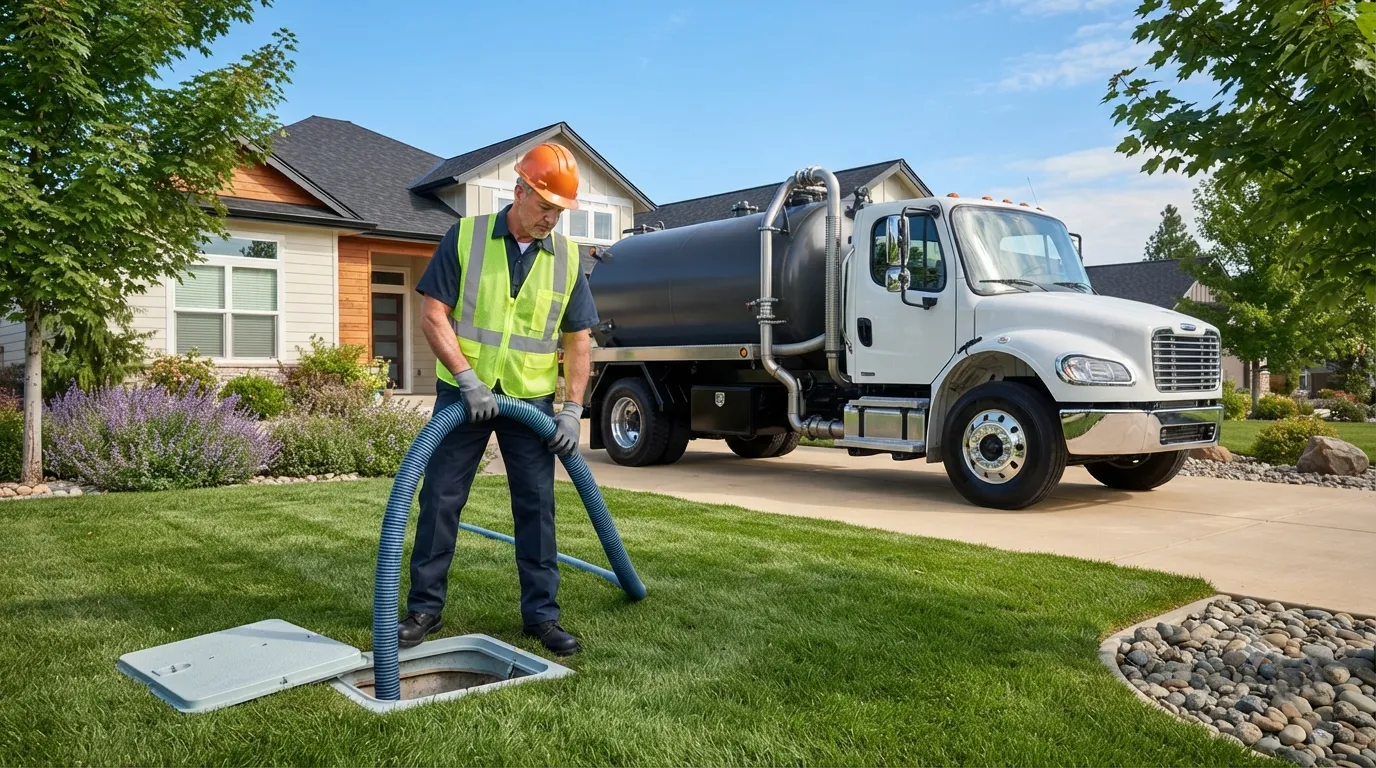
Septic tank cleaning in Southfield falls into two rough categories: a straightforward day-rate pump-out, and a smaller weekend or after-hours visit when something backs up unexpectedly.
| service | duration | low | typical | high |
|---|---|---|---|---|
| septic pumping | day | $150 | $250 | $300 |
| septic pumping | weekend | $50 | $100 | $150 |
Those figures cover the pump-out itself; a tank buried under landscaping or a slab with poor access can push a job toward the top of that band, similar to how porta potty rental cost varies with site access on other jobs. For a full cost breakdown by tank condition and access, see septic tank pumping cost. If your home runs on a holding tank instead of a conventional septic system, pricing and pumping frequency work differently, and holding tank rental covers that setup. Grease interceptors, common in restaurants and some multi-family buildings around Southfield, follow a separate rule: they need pumping once fats, oils, grease and solids reach 25 percent of the liquid depth, not on a fixed calendar. That distinction matters if you manage a commercial kitchen; see grease trap pumping for specifics.
The outlet filter is a small plastic cage between the tank and the drain field, and it is the part most homeowners forget exists. It catches solids before they can travel into the leach field, and cleaning it during a routine pump-out protects the whole system. Skip it for a few service cycles and it clogs, sometimes to the point where wastewater backs up into the tank, or worse, the house. A tech should pull the filter, hose it off, and check for cracks or wear every time the tank gets pumped, the same routine attention we apply to fixtures on the septic tank cleaning service. This is a small line item worth confirming on any quote, since some cleaning services treat it as optional add-on rather than standard practice. If your Southfield property has never had the filter serviced, mention it when scheduling; a first-time filter cleaning sometimes takes a few extra minutes if buildup is heavy.
Placement of trucks and equipment in the public right of way for septic access needs confirming with Southfield's local office before the crew arrives; we do not have a citywide rule to cite here, so check before scheduling if the tank sits near the street or a shared driveway. Most residential pump-outs happen entirely on private property and do not raise right-of-way questions at all, much like most jobs booked through request a quote or a call to contact. Where access requires a truck to park along a road or block a portion of a lane, though, it is worth a quick call ahead of time rather than a surprise on service day. For general guidance on how portable sanitation and septic crews handle permitting questions across job types, porta potty permit requirements covers the same category of question from a related angle. If you are also renting a dumpster or storage container for a septic-related excavation, dumpster permit requirements applies there too.
A full cleaning out starts with locating and uncovering the tank lid, since many Southfield properties have lids buried under a few inches of soil or grass. The technician measures scum and sludge layers, pumps the tank empty, inspects the baffles for cracks, rinses the outlet filter, and checks the tank walls for damage, a process outlined further on septic tank warning signs. On some jobs, especially older concrete tanks, the crew flags separate issues like a cracked lid or a settling tank that needs follow-up beyond a standard pump-out. This is different from routine portable toilet servicing, though both fall under general sanitation work; OSHA 1926.51(c) sets toilet facility ratios for job sites, while general septic cleaning follows manufacturer and local guidance rather than a construction standard. If your project also needs job-site toilets during the work, construction site services and how many porta potties do I need cover staffing those separately from the septic work itself.
Homeowners near Oak Park, about 4.9 miles east of central Southfield, and Birmingham, roughly 7.2 miles northeast, use the same pump-out process, since tank design does not change much across those neighboring communities. Redford sits about 7.6 miles south and sees similar service patterns, and crews serving that stretch often carry the same portable restroom rental equipment for combined jobs. If your project spans a larger construction job requiring both septic work and waste removal, a roll-off dumpster rental or 10 yard dumpster rental often gets scheduled alongside the septic crew to keep the site clear.
A standard pump-out day rate runs $150 to $300 depending on tank access and condition, while a weekend or emergency visit runs $50 to $150. Difficult access, like a tank under a deck or buried deep, pushes costs toward the higher end of that range.
Most residential tanks need pumping every 3 to 5 years, based on tank size and household size. A larger household or a smaller tank shortens that interval, so check your last service date if you are unsure where you stand.
You can pull and rinse the filter yourself if you know where the access point is, but most people leave it to a technician during the regular pump-out. A tech will also inspect it for cracks, which is easy to miss without training.
Solids build up past the point the outlet filter can handle, and they start migrating into the drain field. Once that happens, you are often looking at a drain field repair or replacement instead of a routine pump-out.
Most residential pump-outs on private property do not require anything from the city. If the truck needs to park in the street or block right-of-way space, confirm with Southfield's local office before the appointment.
Yes. Southfield Porta Pros delivers septic tank cleaning across Southfield and the surrounding metro, with same-day and next-day drop-off available on most orders.
Pricing depends on the unit and how long you need it. See our cost breakdown and request a free quote for an exact figure.
Standard rentals include scheduled service — a pump-out, a clean, a restock and fresh deodorizer. Busy or hot-weather sites can be serviced more often.
Call now or request a free quote — clean units, on-time delivery, transparent pricing.